20 Aug 2026
How Encryption Protocols Safeguard Payment Details During Live Dealer Blackjack and Roulette Play on Mobile Devices
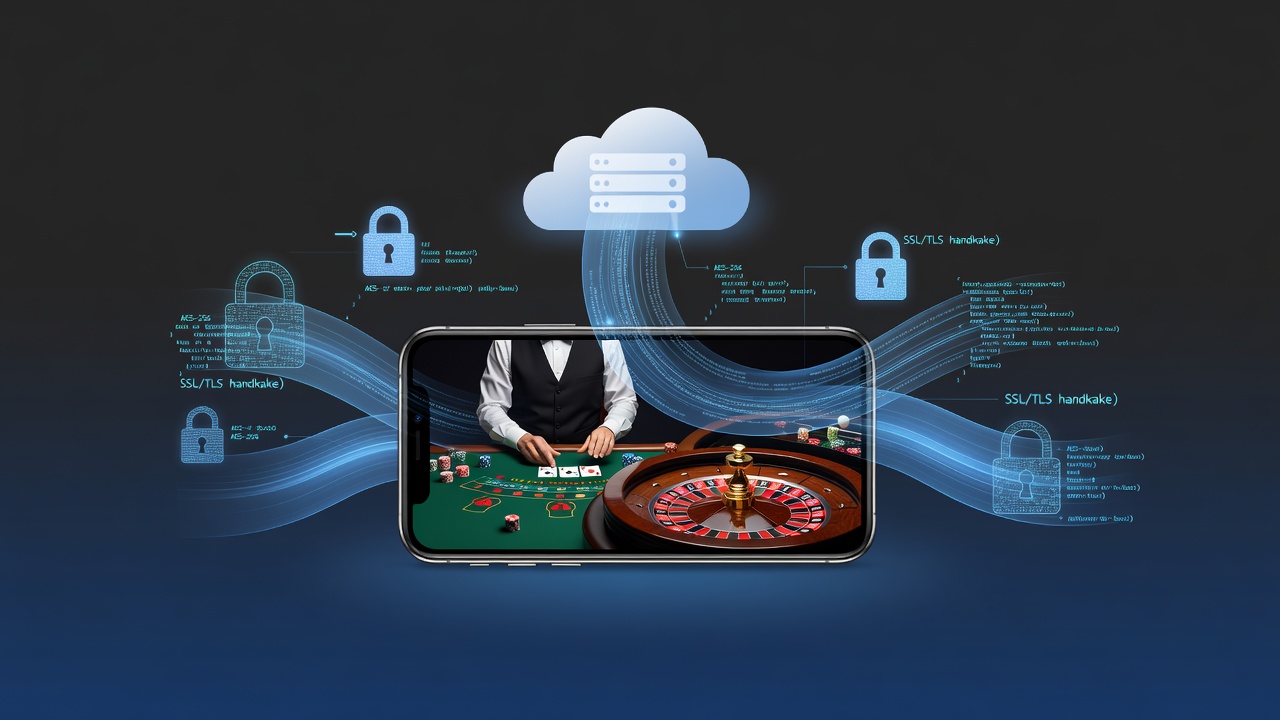
Encryption protocols form the backbone of secure transactions when players engage in live dealer blackjack and roulette on mobile devices, and data from industry reports shows that these systems process millions of payments daily without exposing sensitive card or account details. Mobile networks transmit information across public Wi-Fi and cellular connections where interception risks remain high, yet protocols such as Transport Layer Security convert readable data into unreadable ciphertext before it leaves the device. This process occurs in real time, which means every bet placed during a live roulette spin or blackjack hand stays protected from the moment it leaves the app until it reaches the payment processor.
Core Protocols That Protect Mobile Transactions
Researchers at standards organizations have documented how AES-256 encryption combined with TLS 1.3 creates the foundation for most mobile casino applications, and these standards require both endpoints to authenticate each other before any payment data moves across the network. In practice, a player’s device initiates a handshake that exchanges cryptographic keys in fractions of a second, after which all subsequent data packets remain encrypted even if an attacker captures the traffic. The National Institute of Standards and Technology maintains detailed specifications that many gaming platforms follow when implementing these layers, which helps ensure consistency across different mobile operating systems.
Tokenization adds another layer by replacing actual card numbers with unique tokens that hold no value outside the specific transaction session, and payment processors use this technique to limit exposure if a breach occurs on the mobile side. During live dealer sessions, the system generates a fresh token for each deposit or withdrawal, which means the original payment credentials never travel through the game server at all. Observers note that this separation between game logic and payment handling reduces the attack surface significantly when thousands of players connect simultaneously from various locations.
Application to Live Dealer Blackjack and Roulette
Live dealer platforms stream video feeds while processing bets in the background, and encryption protocols operate continuously in both directions to protect the financial component without interfering with the real-time video. When a player places a wager on a blackjack hand, the mobile app encrypts the amount and payment reference before sending it over the network, while the dealer’s software receives only confirmation that funds have been secured. Roulette wheels spin on camera at the same moment encrypted settlement messages travel back to update balances, and the entire sequence completes within seconds because modern mobile processors handle the cryptographic operations efficiently.
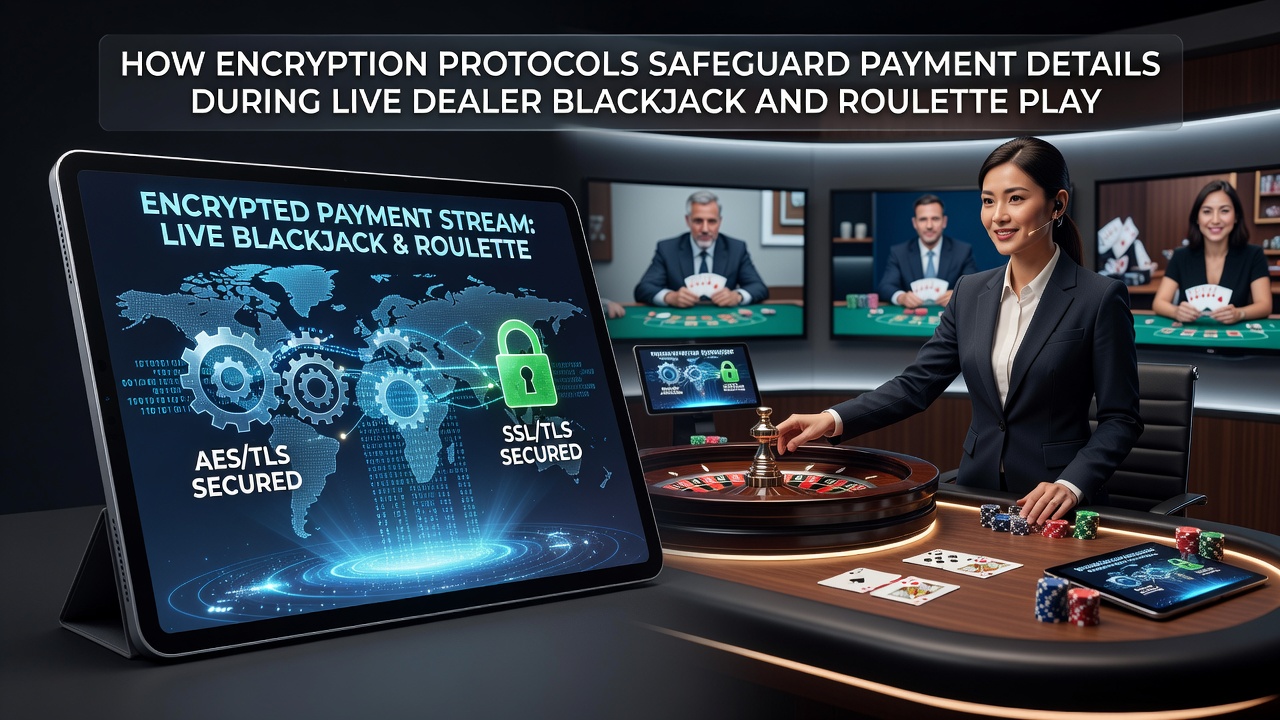
August 2026 brought updates to several mobile security frameworks that strengthened requirements for perfect forward secrecy in gaming applications, which ensures that even if long-term keys become compromised later, past sessions remain protected. Developers integrated these changes into live dealer software so that each blackjack round or roulette spin uses unique session keys that expire immediately after the transaction completes. Figures from regulatory filings indicate that platforms adopting these updated standards saw measurable reductions in reported payment incidents during the following months.
Mobile-Specific Security Considerations
Smartphones introduce variables such as operating system updates, background apps, and variable network quality that desktop systems rarely face, yet encryption protocols adapt through certificate pinning and runtime integrity checks that verify the app has not been altered. When a device switches between Wi-Fi and mobile data mid-session, the TLS connection renegotiates without dropping the encrypted tunnel, which keeps payment details shielded throughout the transition. Studies from academic institutions have examined how these mechanisms perform under high-latency conditions common in mobile environments and found that the overhead remains minimal while security properties hold steady.
Device-level features such as secure enclaves on modern chipsets store cryptographic material separately from the main processor, and live dealer applications leverage these hardware protections to prevent extraction of keys even if malware gains access to other parts of the system. Payment details therefore never exist in plain form within the device’s general memory during a roulette bet or blackjack insurance decision, which limits opportunities for sophisticated attacks that target memory scraping.
Regulatory and Standards Alignment
Government agencies in multiple regions require gaming operators to demonstrate compliance with established encryption benchmarks before issuing licenses, and auditors review implementation details during regular assessments. In Canada, federal guidelines on digital security reference the same cryptographic standards used in mobile payment flows for live dealer games, while Australian communications authorities track network-level protections that support cross-border transactions. These overlapping requirements create a consistent baseline that platforms must meet regardless of where the live dealer studio operates or where players connect from.
Industry associations publish annual reports that compile anonymized data on encryption-related incidents across the sector, and the numbers show that properly implemented protocols correlate with near-zero successful interceptions of payment data in mobile environments. Those reports also highlight how regular key rotation and certificate management practices contribute to sustained protection as attack techniques evolve over time.
Conclusion
Encryption protocols continue to evolve alongside mobile technology and live dealer formats, which means the mechanisms that safeguard payment details during blackjack and roulette sessions on phones remain under active refinement by standards bodies and developers alike. The combination of established algorithms, tokenization, hardware security features, and regulatory oversight produces a layered defense that keeps financial information protected throughout each transaction cycle. As new mobile devices and network technologies emerge, teh same foundational approaches adapt to maintain that protection without disrupting the real-time nature of live dealer gameplay.